
The Market Paradox

The Market Paradox
Creative Director

This article explores why the best products do not always become market leaders. While its key to focus on product quality, features, performance, and pricing, customer decisions are rarely driven by logic alone. Markets are shaped by perception and emotional association to a product. The article examines how branding influences buying behavior, market preference, and long-term business success.

Consumers don’t buy products, they buy conviction.
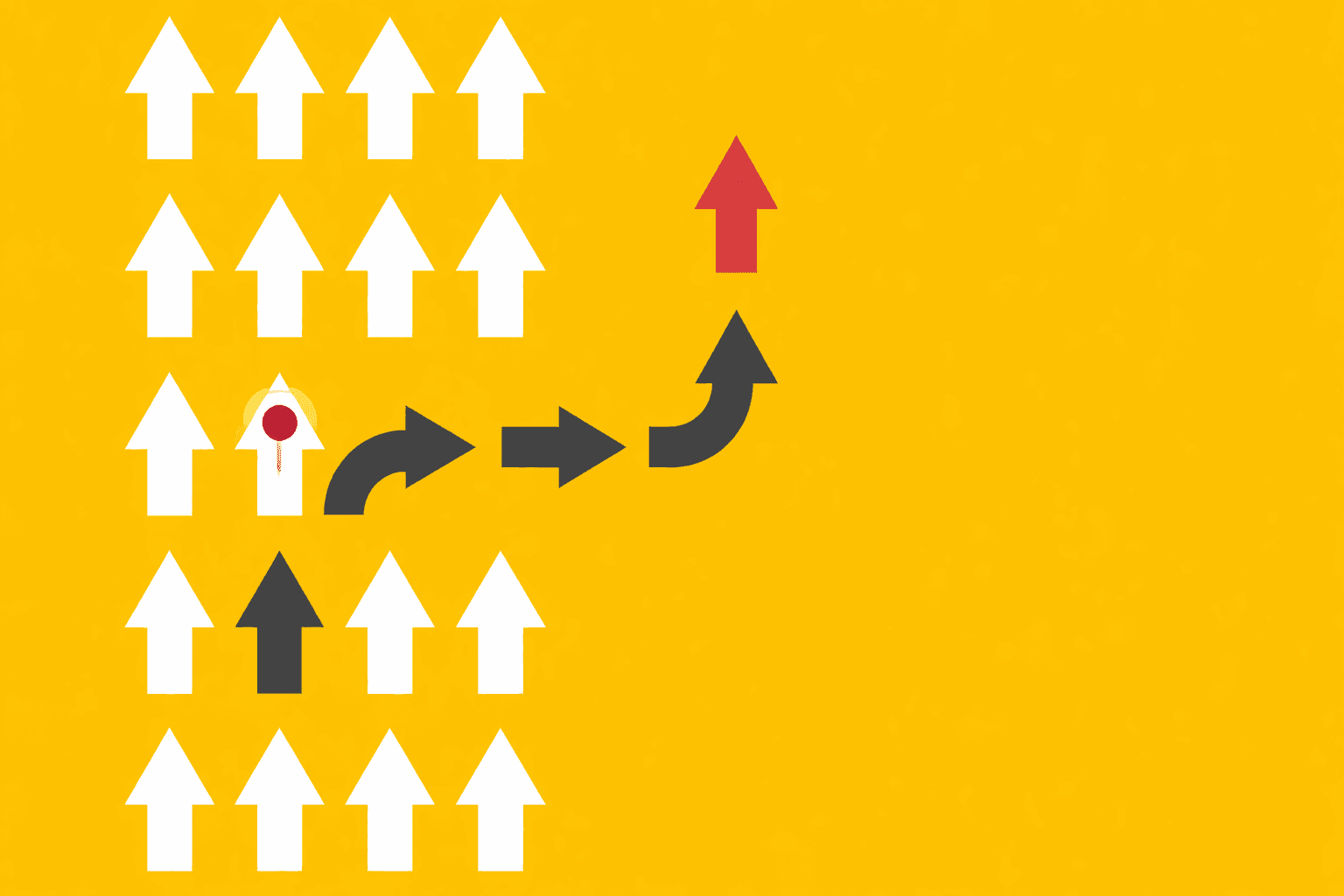
Most founders believe they are competing on product. Better features. Better quality. Better pricing. But the market rarely rewards the “best” product. It rewards the product people believe in. This is the quiet truth at the center of modern branding: value is not determined by what a product is, but by what it means.
The gap between your product and what the market feels about it
Founders build companies around products. They refine features, optimize performance, and iterate endlessly toward improvement. And yet, two products with near-identical functionality can exist in the same market , with completely different outcomes. One is preferred, the other is compared. The difference is not engineering. It is perception. As Marty Neumeier famously articulated, a brand is not what you say it is, it is the gut feeling people have about you. That feeling is not accidental. It is shaped over time through clarity, consistency, and intent.
The Apple case study
There are smartphones with higher specifications, better batteries, and lower price points than those offered by Apple Inc.. Yet millions continue to choose the iPhone. Why? Because Apple does not sell devices. It sells a belief system, simplicity, creativity, and status through design. Every touchpoint reinforces this conviction, from product design to retail environments to messaging. Customers are not evaluating components. They are aligning with what the brand represents.
The Nike case study
Nike, Inc. does not compete on fabric or stitching. It competes on identity. “Just Do It” is not a slogan. It is a philosophy, one that invites customers to see themselves as disciplined, driven, and capable. The product becomes secondary. What people are buying is a version of themselves.
Liquid Death Case Study
In a commoditized category like bottled water, Liquid Death created distinction not through product innovation, but through radical positioning. A bold, irreverent brand in a category defined by neutrality. The water is ordinary. The conviction is not. And that conviction is what people buy into.
The Founder’s Blind Spot
Most early-stage companies invest heavily in product and almost nothing in perception. They hire product managers. They optimize performance. They compete on features. But they neglect the one thing customers use to decide: What does this brand stand for? Without a clear answer, even great products become interchangeable. And interchangeable products compete on price.
From Product to Conviction
Strong brands operate differently. They do not start with what they make. They start with what they believe.
That belief informs:
How the product is designed
How it is presented
And…How it is experienced
Over time, consistency turns belief into familiarity. Familiarity builds trust. And trust becomes preference.
The Real Work of Branding
Branding is not decoration. It is not a logo, a color palette, or a campaign. It is the disciplined act of creating and sustaining conviction.
Ola Delano
Ola is the Founder and Creative Director of POPLAR.
More articles
Tuesday, February 25, 2025
Written by
Poplar Branding
Brand strategy is your competitive edge
Brand strategy is the reason customers choose you over the competition
This article explores how brand strategy, often misunderstood as a “big-company luxury” is, in fact, the most powerful competitive advantage a small business can build. It argues that while many entrepreneurs focus on visual branding (logos, websites, packaging), the true strength of a brand lies in the clarity of its purpose and promise.

Tuesday, February 4, 2025
Written by
Ola Delano
Small Business. Same Brand Rules
Small business are not exempted from the rules in the market
Small business owners assume branding is a concern for larger companies, but the market makes no such distinction. Customers evaluate every business regardless of size through the same lens of perception, trust, and experience.

Tuesday, January 14, 2025
Written by
Tomasso Fiorelli
Typography Trends
How modern typography is changing the way we communicate online
Typography has evolved from a mere vehicle for text to a powerful tool for brand expression and user experience. In 2025, the role of typography in digital design goes beyond readability—it's about creating emotional connections and enhancing digital interactions through thoughtful type choices.

Wednesday, January 1, 2025
Written by
Ola Delano
Brand Strategy vs Business Strategy
The importance of board alignment in branding
Companies approach brand and business strategy as separate tracks, prioritizing product, operations, and growth first, and leaving branding to marketing later. The result is often a disconnect, where what the business does and how it presents itself don’t quite line up. In practice, brand isn’t just about communication. It’s the natural outcome of every decision a company makes,how it operates, how it behaves, and how it shows up over time.

Thursday, December 19, 2024
Written by
Ola Delano
Your sales team Is paying for your weak brand every day
Poor brand positioning increases overall customer acquisition cost.
This article explores the hidden relationship between branding and sales performance, arguing that many companies mistakenly diagnose sales challenges as capability problems when the real issue is weak market perception. The article connects branding to the modern AI era, arguing that as products become increasingly commoditized through artificial intelligence, differentiated branding and trust-building will become even more critical competitive advantages.
The Market Paradox
The Market Paradox
Creative Director
This article explores why the best products do not always become market leaders. While its key to focus on product quality, features, performance, and pricing, customer decisions are rarely driven by logic alone. Markets are shaped by perception and emotional association to a product. The article examines how branding influences buying behavior, market preference, and long-term business success.
Consumers don’t buy products, they buy conviction.
Most founders believe they are competing on product. Better features. Better quality. Better pricing. But the market rarely rewards the “best” product. It rewards the product people believe in. This is the quiet truth at the center of modern branding: value is not determined by what a product is, but by what it means.
The gap between your product and what the market feels about it
Founders build companies around products. They refine features, optimize performance, and iterate endlessly toward improvement. And yet, two products with near-identical functionality can exist in the same market , with completely different outcomes. One is preferred, the other is compared. The difference is not engineering. It is perception. As Marty Neumeier famously articulated, a brand is not what you say it is, it is the gut feeling people have about you. That feeling is not accidental. It is shaped over time through clarity, consistency, and intent.
The Apple case study
There are smartphones with higher specifications, better batteries, and lower price points than those offered by Apple Inc.. Yet millions continue to choose the iPhone. Why? Because Apple does not sell devices. It sells a belief system, simplicity, creativity, and status through design. Every touchpoint reinforces this conviction, from product design to retail environments to messaging. Customers are not evaluating components. They are aligning with what the brand represents.
The Nike case study
Nike, Inc. does not compete on fabric or stitching. It competes on identity. “Just Do It” is not a slogan. It is a philosophy, one that invites customers to see themselves as disciplined, driven, and capable. The product becomes secondary. What people are buying is a version of themselves.
Liquid Death Case Study
In a commoditized category like bottled water, Liquid Death created distinction not through product innovation, but through radical positioning. A bold, irreverent brand in a category defined by neutrality. The water is ordinary. The conviction is not. And that conviction is what people buy into.
The Founder’s Blind Spot
Most early-stage companies invest heavily in product and almost nothing in perception. They hire product managers. They optimize performance. They compete on features. But they neglect the one thing customers use to decide: What does this brand stand for? Without a clear answer, even great products become interchangeable. And interchangeable products compete on price.
From Product to Conviction
Strong brands operate differently. They do not start with what they make. They start with what they believe.
That belief informs:
How the product is designed
How it is presented
And…How it is experienced
Over time, consistency turns belief into familiarity. Familiarity builds trust. And trust becomes preference.
The Real Work of Branding
Branding is not decoration. It is not a logo, a color palette, or a campaign. It is the disciplined act of creating and sustaining conviction.
Ola Delano
Ola is the Founder and Creative Director of POPLAR.
More articles
Brand strategy is your competitive edge
Brand strategy is the reason customers choose you over the competition
Small Business. Same Brand Rules
Small business are not exempted from the rules in the market
Typography Trends
How modern typography is changing the way we communicate online
Brand Strategy vs Business Strategy
The importance of board alignment in branding
Your sales team Is paying for your weak brand every day
Poor brand positioning increases overall customer acquisition cost.
The Market Paradox
The Market Paradox
Creative Director
This article explores why the best products do not always become market leaders. While its key to focus on product quality, features, performance, and pricing, customer decisions are rarely driven by logic alone. Markets are shaped by perception and emotional association to a product. The article examines how branding influences buying behavior, market preference, and long-term business success.
Consumers don’t buy products, they buy conviction.
Most founders believe they are competing on product. Better features. Better quality. Better pricing. But the market rarely rewards the “best” product. It rewards the product people believe in. This is the quiet truth at the center of modern branding: value is not determined by what a product is, but by what it means.
The gap between your product and what the market feels about it
Founders build companies around products. They refine features, optimize performance, and iterate endlessly toward improvement. And yet, two products with near-identical functionality can exist in the same market , with completely different outcomes. One is preferred, the other is compared. The difference is not engineering. It is perception. As Marty Neumeier famously articulated, a brand is not what you say it is, it is the gut feeling people have about you. That feeling is not accidental. It is shaped over time through clarity, consistency, and intent.
The Apple case study
There are smartphones with higher specifications, better batteries, and lower price points than those offered by Apple Inc.. Yet millions continue to choose the iPhone. Why? Because Apple does not sell devices. It sells a belief system, simplicity, creativity, and status through design. Every touchpoint reinforces this conviction, from product design to retail environments to messaging. Customers are not evaluating components. They are aligning with what the brand represents.
The Nike case study
Nike, Inc. does not compete on fabric or stitching. It competes on identity. “Just Do It” is not a slogan. It is a philosophy, one that invites customers to see themselves as disciplined, driven, and capable. The product becomes secondary. What people are buying is a version of themselves.
Liquid Death Case Study
In a commoditized category like bottled water, Liquid Death created distinction not through product innovation, but through radical positioning. A bold, irreverent brand in a category defined by neutrality. The water is ordinary. The conviction is not. And that conviction is what people buy into.
The Founder’s Blind Spot
Most early-stage companies invest heavily in product and almost nothing in perception. They hire product managers. They optimize performance. They compete on features. But they neglect the one thing customers use to decide: What does this brand stand for? Without a clear answer, even great products become interchangeable. And interchangeable products compete on price.
From Product to Conviction
Strong brands operate differently. They do not start with what they make. They start with what they believe.
That belief informs:
How the product is designed
How it is presented
And…How it is experienced
Over time, consistency turns belief into familiarity. Familiarity builds trust. And trust becomes preference.
The Real Work of Branding
Branding is not decoration. It is not a logo, a color palette, or a campaign. It is the disciplined act of creating and sustaining conviction.
Ola Delano
Ola is the Founder and Creative Director of POPLAR.
More articles
Brand strategy is your competitive edge
Brand strategy is the reason customers choose you over the competition
Small Business. Same Brand Rules
Small business are not exempted from the rules in the market
Typography Trends
How modern typography is changing the way we communicate online
Brand Strategy vs Business Strategy
The importance of board alignment in branding
Your sales team Is paying for your weak brand every day
Poor brand positioning increases overall customer acquisition cost.
Lets start by
understanding
your context

Lets start by
understanding
your context
Lets start by
understanding
your context